Economic Disaster in Papua New Guinea: Risks, Causes, and Mitigation Strategies1. IntroductionPapua New Guinea (PNG) is a resource-rich but economically fragile country. Despite vast reserves of gold, copper, oil, and natural gas, the majority of its population remains engaged in subsistence agriculture. PNG’s economic structure—characterized by heavy dependence on extractive industries, limited infrastructure, and weak governance—makes it highly vulnerable to internal and external shocks. An economic disaster in PNG could emerge from a convergence of resource dependence, fiscal mismanagement, global price volatility, and climate-related challenges.2. Structural Vulnerabilities of PNG’s Economy2.1 Resource DependenceOver 80% of PNG’s exports come from mining and petroleum projects, particularly the PNG LNG project.A sudden fall in global commodity prices or disruption in operations (due to disputes, disasters, or geopolitical tensions) could sharply reduce state revenues.The “resource curse” has prevented wealth from translating into broad-based development, creating deep inequalities.2.2 Fiscal and Monetary FragilityPNG’s public debt-to-GDP ratio has risen steadily, surpassing 50% in recent years.Dependence on external borrowing exposes the economy to exchange rate risks.The kina has weakened significantly since 2014, raising import costs and fueling inflation.2.3 Infrastructure and Import DependencePNG relies heavily on imports for fuel, machinery, and manufactured goods.Limited domestic manufacturing capacity means that disruptions in trade or foreign exchange shortages could trigger supply crises.2.4 Social and Political InstabilityA large youth population faces high unemployment rates.Widespread corruption and frequent political changes undermine investor confidence.Local land disputes and resource conflicts (e.g., Bougainville crisis, Porgera mine shutdown) illustrate the risk of resource-driven instability.2.5 Environmental and Climate RisksPNG is among the most disaster-prone countries in the Pacific.Earthquakes, volcanic eruptions, floods, and cyclones frequently damage infrastructure and disrupt economic activity.Climate change threatens agricultural output (coffee, cocoa, fisheries), deepening food insecurity.3. Possible Pathways to Economic Disaster1. Debt CrisisEscalating public debt combined with falling export revenues could push PNG towards default.Reliance on foreign loans without structural reforms raises vulnerability to external shocks.2. Currency Collapse and HyperinflationIf foreign reserves are depleted, the kina could collapse further, causing runaway inflation.This would erode household purchasing power and increase poverty.3. Resource Sector ShockClosure of a major mine or LNG facility due to political disputes, natural disasters, or price declines could cripple government finances.4. Food and Energy InsecurityRising global fuel prices and climate-induced agricultural decline could trigger shortages and social unrest.4. Mitigation and Resilience Strategies4.1 Economic DiversificationDevelop agriculture, fisheries, tourism, and digital sectors to reduce reliance on extractives.Support small and medium enterprises (SMEs) to broaden the tax base.4.2 Governance and Institutional StrengtheningCombat corruption through stronger accountability mechanisms.Ensure transparent management of natural resource revenues (e.g., sovereign wealth fund models).4.3 Infrastructure and TradeInvest in roads, ports, power, and digital connectivity to integrate rural communities into markets.Strengthen regional trade with ASEAN and Pacific nations to reduce import dependence.4.4 Financial and Monetary StabilityBuild foreign exchange reserves to buffer against external shocks.Strengthen Central Bank independence to manage inflation and stabilize the kina.4.5 Climate ResilienceExpand climate-adaptive agriculture.Develop renewable energy sources (hydro, solar, geothermal) to reduce dependence on imported fuel.5. ConclusionPapua New Guinea’s economy stands at a crossroads: while resource wealth provides opportunities for growth, structural weaknesses heighten the risk of economic disaster. A convergence of debt distress, resource shocks, currency instability, and climate vulnerability could destabilize the economy and deepen poverty. However, with targeted reforms—particularly diversification, stronger governance, and climate resilience strategies—PNG can reduce its exposure to crises and build a more inclusive and sustainable economy.

Breaking News: EVICTION IN NATIONS CAPITAL PORT MORESBY. PNG

Breaking News: Mass Evictions Displace Hundreds in Port MoresbyPort Moresby, [16/11/2024] – A wave of forced evictions has displaced hundreds of residents in Port Moresby, sparking widespread condemnation and raising concerns about human rights and urban planning. The evictions, carried out by [NCDC or lands department], have targeted several informal settlements across the city, includingContinue reading “Breaking News: EVICTION IN NATIONS CAPITAL PORT MORESBY. PNG”

Tuition fees is a burden of bright future.

Once upon a time in the beautiful highlands of Papua New Guinea, there lived a young man named Sakias Moro. Sakias was a determined and ambitious individual who dreamt of pursuing higher education at the prestigious University of Papua New Guinea. He had always believed that education was the key to unlocking a better futureContinue reading “Tuition fees is a burden of bright future.”

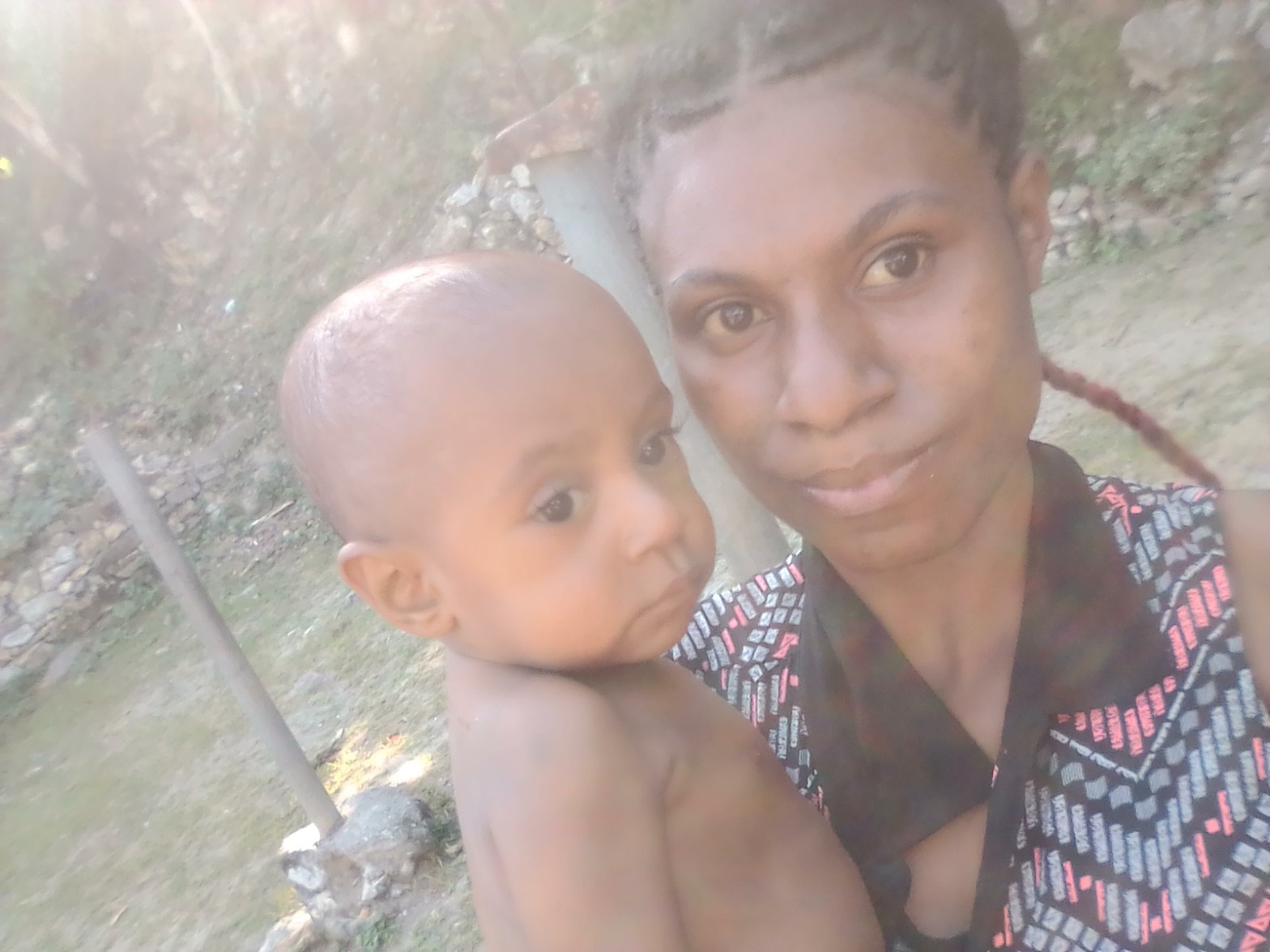
Son Of Sakias Moro And Aileen Jack.

Xander was a Gift from the Heavenly Father . Exander Sakias was a infant who was born on his mother’s bad state. He was little about 6 months old in his mother’s womb when his mother had difficulty in her abdominal. Aileen Jack was Admitted to the Port Moresby General Hospital. She had been havingContinue reading “Son Of Sakias Moro And Aileen Jack.”

Technology in modern society

The fact of how humanities react to the consistent growing industry of technology in the society. More  advancement of the modern technology and It’s products as put pressure on the humanities and most are engaged in the consistent building of the modern technology. I did read their copy right and  understand but I really neededContinue reading “Technology in modern society”

Design a site like this with WordPress.com
Get started