Tuition fees is a burden of bright future.

Once upon a time in the beautiful highlands of Papua New Guinea, there lived a young man named Sakias Moro. Sakias was a determined and ambitious individual who dreamt of pursuing higher education at the prestigious University of Papua New Guinea. He had always believed that education was the key to unlocking a better future for himself and his community. With unwavering determination, Sakias put his heart and soul into preparing for the university entrance exams. He spent countless hours studying, sacrificing social outings and leisure activities. All his efforts paid off when he received the news that he had been selected for admission into the university. Sakias’s heart swelled with joy and pride as he imagined the doors of knowledge opening before him.

However, the joy soon turned into a deep worry as Sakias realized that he had no means to pay the required tuition fees. Coming from a humble background, his family struggled to make ends meet, let alone afford the costs of higher education.

Sakias’s dreams seemed to crumble before his eyes, leaving him feeling helpless and disheartened. He searched high and low for any possible sources of financial aid, but unfortunately, all his efforts were in vain. No one came forward to help him, and he was left with no choice but to abandon his dreams of attending the university.

For the next four years, Sakias worked odd jobs to support himself and his family, but deep down, he knew that he could never give up on his dreams. Despite his best efforts, Sakias couldn’t save enough money to pay for his education. The burden of financial constraints weighed heavily on his shoulders, and he felt defeated. The years passed by, and Sakias watched as his peers graduated and went on to pursue successful careers.

With a heavy heart, Sakias realized that his dreams had slipped away. The lack of support and financial resources had shattered his aspirations. He couldn’t help but feel a deep sense of regret and sadness for the opportunities that were forever lost. In the end, Sakias’s story serves as a painful reminder of the harsh realities faced by many individuals from underprivileged backgrounds. The unavailability of financial aid and support can crush even the most determined dreams. Sakias’s potential remained untapped, and his community lost the opportunity to benefit from his knowledge and skills.

As time went on, Sakias continued to struggle, living a life of unfulfilled potential. The lack of education haunted him, serving as a constant reminder of the dreams he could never achieve. It was a sad ending to a story that started with hope and ambition. And so, Sakias’s life serves as a painful reminder of the importance of access to education and the need for support systems to uplift those who aspire to reach for the stars.

His story echoes the urgent call for equal opportunities and resources for all, so that no dream goes unrealized due to financial limitations.

By Sakias Moro

Sakias Moro

web3.0

1

Title: “Understanding Web3: The Next Phase of Internet Evolution”

Introduction:
The internet has transformed over the past two decades, from simple chat rooms to complex online banking services and innovations like blockchain and cryptocurrencies. As we’ve moved from Web 1.0 to Web 2.0, the question arises: What is Web3, and what does it offer? In this exploration, we delve into the concept of Web3, its workings, historical context, key features, and its potential to reshape the internet.

What is Web3?
Web3 represents the next era of internet technology, championed by visionaries like

Vitalik Buterin

Computer programmer

Vitalik Buterin

Main results

, co-founder of Ethereum. Unlike Web 2.0’s centralized model, Web3 emphasizes user control of online data, aiming to create open, intelligent websites and web apps that understand data better. Decentralization and digital economies play crucial roles in Web3, enabling the valuation of online content. Notably, Web3 is a flexible concept, with definitions varying among individuals.

How does Web3 work?
Web3 seeks to offer personalized, AI-driven, and relevant information quickly. Improved AI, smarter search algorithms, and enhanced data analytics will empower machines to intuitively comprehend and recommend content. Additionally, Web3 promotes user ownership of content and accessible digital economies, a departure from Web 2.0’s loss of control once content is online.

A Brief History of Web Evolution:
Understanding Web3 requires looking at its predecessors:

  1. Web 1.0: Offered a static internet experience, with basic HTML pages and limited user interaction.
  2. Web 2.0: Introduced dynamic websites, social media, and user-generated content, but at the expense of centralization.

The Future and Web3:
Web3 aims to improve user experience further by leveraging technologies like blockchain, open-source software, virtual reality, and the Internet of Things (IoT). It seeks to make the internet more open and decentralized, potentially allowing users to reclaim control of their data from network providers.

Key Features of Web3:
Web3 introduces several core concepts:

  1. Semantic Markup: Machines will better understand human-created content, enhancing user experience.
  2. Blockchain and Cryptocurrencies: Decentralization, digital identities, and transparent data ownership.
  3. 3D Visualization: The web will become more immersive and intuitive.
  4. Artificial Intelligence: AI will convert human-created content into machine-readable data, improving user interactions.

Advantages of Web3:
Web3 offers potential benefits:

  1. No Central Control: Elimination of intermediaries reduces censorship risks and enhances security.
  2. Increased Interconnectivity: Enhanced data analysis results in more personalized user experiences.
  3. More Efficient Browsing: Improved search algorithms offer convenience and relevant results.
  4. Improved Advertising: Smarter AI systems enable targeted advertising.
  5. Better Customer Support: AI-driven chatbots enhance user support.

The Role of Crypto in Web3:
Blockchain and cryptocurrencies align with Web3’s goals:

  1. Digital Crypto Wallets: Enable secure transactions and digital identities without centralized providers.
  2. Decentralization: Redistribute power and data, reducing the dominance of tech giants.
  3. Digital Economies: Facilitate online trade without traditional banking systems.
  4. Interoperability: Support compatibility among decentralized apps and data.

Web3 Use Cases:
While Web3 is still developing, examples include virtual assistants like Siri and Alexa, driven by AI and natural language processing, and connected smart homes that provide personalized experiences across devices.

Closing Thoughts:
The internet’s evolution continues, with Web3 poised to revolutionize it. Though the concept lacks a concrete definition, the direction is clear, with blockchain playing a pivotal role in this transformative journey.

Alright reserved. @ Kumul market. By SAKIAS Moro.

  1. ↩︎

Title: “Understanding Web3: The Next Phase of Internet Evolution”

what is web 3 or 3.0 and what is important about web 3.

Introduction:
The internet has transformed over the past two decades, from simple chat rooms to complex online banking services and innovations like blockchain and cryptocurrencies. As we’ve moved from Web 1.0 to Web 2.0, the question arises: What is Web3, and what does it offer? In this exploration, we delve into the concept of Web3, its workings, historical context, key features, and its potential to reshape the internet.

What is Web3?
Web3 represents the next era of internet technology, championed by visionaries like Gavin Wood, co-founder of Ethereum. Unlike Web 2.0’s centralized model, Web3 emphasizes user control of online data, aiming to create open, intelligent websites and web apps that understand data better. Decentralization and digital economies play crucial roles in Web3, enabling the valuation of online content. Notably, Web3 is a flexible concept, with definitions varying among individuals.

How does Web3 work?
Web3 seeks to offer personalized, AI-driven, and relevant information quickly. Improved AI, smarter search algorithms, and enhanced data analytics will empower machines to intuitively comprehend and recommend content. Additionally, Web3 promotes user ownership of content and accessible digital economies, a departure from Web 2.0’s loss of control once content is online.

A Brief History of Web Evolution:
Understanding Web3 requires looking at its predecessors:

  1. Web 1.0: Offered a static internet experience, with basic HTML pages and limited user interaction.
  2. Web 2.0: Introduced dynamic websites, social media, and user-generated content, but at the expense of centralization.

The Future and Web3:
Web3 aims to improve user experience further by leveraging technologies like blockchain, open-source software, virtual reality, and the Internet of Things (IoT). It seeks to make the internet more open and decentralized, potentially allowing users to reclaim control of their data from network providers.

Key Features of Web3:
Web3 introduces several core concepts:

  1. Semantic Markup: Machines will better understand human-created content, enhancing user experience.
  2. Blockchain and Cryptocurrencies: Decentralization, digital identities, and transparent data ownership.
  3. 3D Visualization: The web will become more immersive and intuitive.
  4. Artificial Intelligence: AI will convert human-created content into machine-readable data, improving user interactions.

Advantages of Web3:
Web3 offers potential benefits:

  1. No Central Control: Elimination of intermediaries reduces censorship risks and enhances security.
  2. Increased Interconnectivity: Enhanced data analysis results in more personalized user experiences.
  3. More Efficient Browsing: Improved search algorithms offer convenience and relevant results.
  4. Improved Advertising: Smarter AI systems enable targeted advertising.
  5. Better Customer Support: AI-driven chatbots enhance user support.

The Role of Crypto in Web3:
Blockchain and cryptocurrencies align with Web3’s goals:

  1. Digital Crypto Wallets: Enable secure transactions and digital identities without centralized providers.
  2. Decentralization: Redistribute power and data, reducing the dominance of tech giants.
  3. Digital Economies: Facilitate online trade without traditional banking systems.
  4. Interoperability: Support compatibility among decentralized apps and data.

Web3 Use Cases:
While Web3 is still developing, examples include virtual assistants like Siri and Alexa, driven by AI and natural language processing, and connected smart homes that provide personalized experiences across devices.

Closing Thoughts:
The internet’s evolution continues, with Web3 poised to revolutionize it. Though the concept lacks a concrete definition, the direction is clear, with blockchain playing a pivotal role in this transformative journey.

Alright reserved. @ Kumul market. By SAKIAS Moro.

Media Mars- YouTube Channel Disclaimer

This is the Media Mars channel created by
Sakias Moro

Disclaimer for Media Mars YouTube Channel – Financial Advice

Last Updated: [ 29/09/2023]

Summary Paragraph:
Media Mars is a YouTube channel created and managed by [Your Name], with the aim of providing information and insights on various topics related to cryptocurrency, blockchain, NFTs, AR, AV, web 3, new innovations, and technology. While we strive to offer accurate and up-to-date information, we must emphasize that the content provided here is for general informational purposes only. We do not provide personalized financial advice or recommendations. All financial decisions should be made with the guidance of qualified professionals who can consider your individual circumstances.

Detailed Disclaimer:

  1. Nature of Information: The content presented on the Media Mars YouTube channel is intended to be informative and educational. We aim to share our knowledge and perspectives on financial topics, but it should not be construed as financial, investment, or legal advice.
  2. Not a Substitute: The information provided on this channel is not a substitute for professional financial advice. You should not rely solely on the information provided here when making financial decisions. Always consult with a qualified financial advisor or professional who can take into account your unique financial situation and goals.
  3. Accuracy and Completeness: We make every effort to ensure that the information presented on our channel is accurate and up-to-date at the time of publication. However, the financial landscape is dynamic, and information may change rapidly. We cannot guarantee the accuracy, completeness, or timeliness of the content.
  4. Risk and Responsibility: Engaging in financial activities, including but not limited to cryptocurrency investments, carries inherent risks. Any financial decision you make is your responsibility, and you should conduct thorough research and due diligence before taking any action.
  5. No Endorsement: We may discuss various products, services, or platforms related to financial topics. Our mention of these does not constitute an endorsement or recommendation. You should independently assess the suitability and legitimacy of any product or service mentioned on our channel.
  6. No Financial Relationship: Media Mars does not have financial relationships or affiliations with the companies or entities mentioned in our content. We are not compensated for promoting or discussing specific financial products or services.

Conclusion:

In conclusion, Media Mars is committed to providing valuable information and insights into the world of cryptocurrency, blockchain, NFTs, AR, AV, web 3, new innovations, and technology. However, we emphasize that our content is not a substitute for personalized financial advice, and we encourage viewers to consult with qualified professionals before making financial decisions. We cannot guarantee the accuracy or completeness of the information provided and disclaim any liability for financial decisions made based on our content. Your financial well-being is of utmost importance, and we encourage you to seek expert guidance for your financial matters.

By Sakias Moro

Website: Https://kumulmarketsakiasmoro.business.blog/

Owner of KUMUL MARKET

Design by Media Mars in Canvas

BITCOIN MINING AND BITCOIN STAKING

By: Sakias Moro

@2023

July, 23

Bitcoin mining and bitcoin staking

 Bitcoin Mining

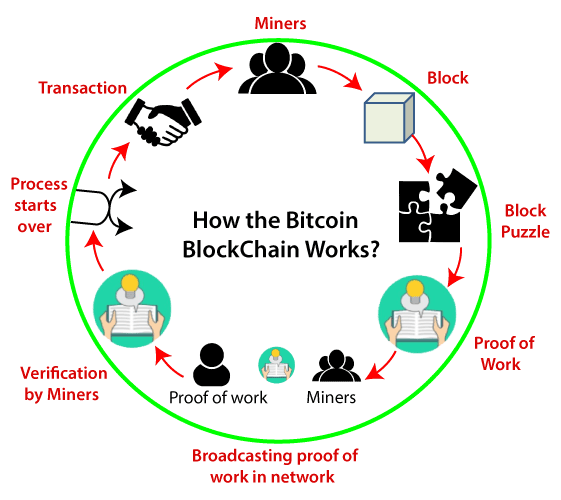
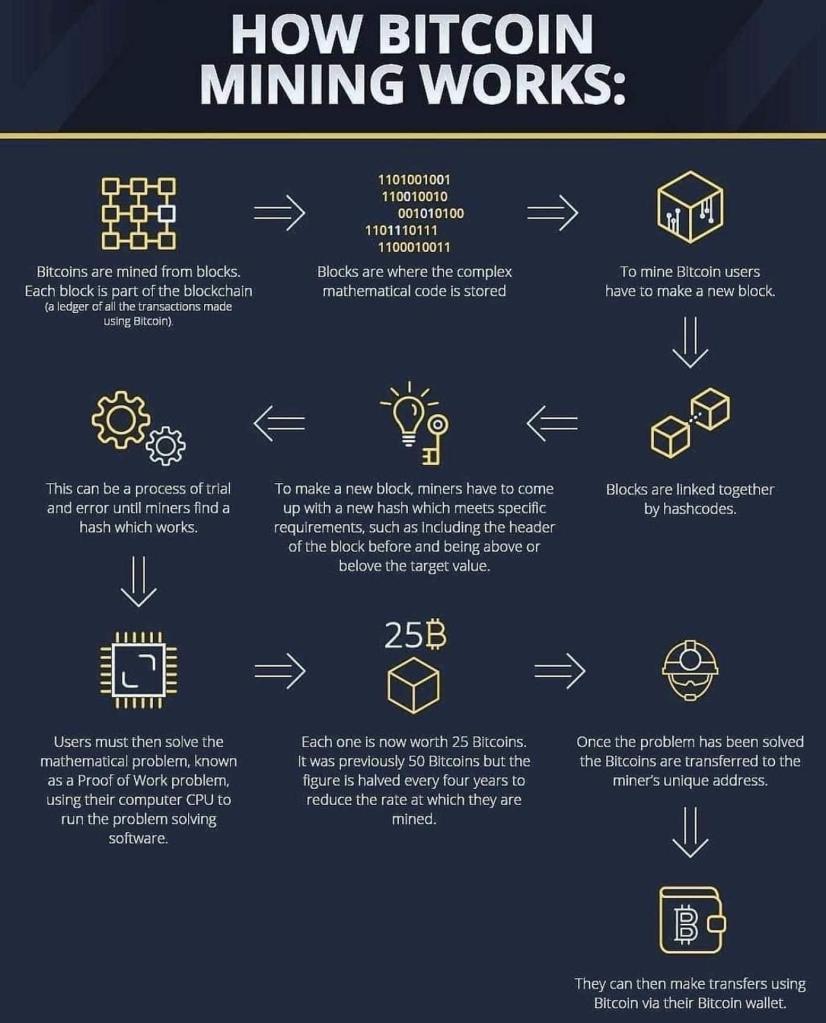
Bitcoin mining is the process by which new bitcoins are created and added to the circulating supply. It also serves as the mechanism to validate and secure transactions on the Bitcoin network. Mining involves solving complex mathematical problems, and the participants in this process are called miners. Here’s how it works:

1.Proof-of-Work ( POS) Consensus: Bitcoin uses a consensus algorithm called Proof-of-Work. Miners compete to solve a cryptographic puzzle, which requires significant computational power. The first miner to solve the puzzle gets to add the next block of transactions to the blockchain and is rewarded with newly minted bitcoins and transaction fees.

2. Mining Hardware: Miners use specialized computer hardware, known as Application-Specific Integrated Circuits (ASICs) or Graphics Processing Units (GPUs), to perform the intensive computations required for mining. These machines are designed to maximize mining efficiency and hash rate.

3. Mining Pools: Due to the competitive nature of mining and the increasing difficulty of the puzzles, individual miners often join mining pools. In a mining pool, miners combine their computing power, and when any member of the pool successfully mines a block, the rewards are distributed among all participants according to their contributed hash power.

4.  Block Reward: As of my last observations from September 2021, the block reward for successfully mining a block on the Bitcoin network was 6.25 bitcoins. However, it’s important to note that the Bitcoin protocol is designed to halve the block reward approximately every four years. This event is known as the “halving,” and it occurs every 210,000 blocks. The most recent halving took place in May 2020, reducing the block reward from 12.5 bitcoins to 6.25 bitcoins.

5. Mining Difficulty: The Bitcoin network automatically adjusts the difficulty of the mining puzzle every 2016 blocks (approximately every two weeks) to ensure that blocks are mined, on average, every 10 minutes. If more miners join the network, the difficulty increases to maintain the 10-minute block time.

6. Energy Consumption : Bitcoin mining is an energy-intensive process because of the computational power required. This has raised concerns about its environmental impact, especially if the energy used comes from non-renewable sources.

Staking Program (Proof-of-Stake):

Staking is an alternative consensus mechanism to mining, used by various cryptocurrencies, including Ethereum’s upcoming Ethereum 2.0 upgrade. Instead of relying on proof-of-work, staking relies on proof-of-stake (PoS). In a PoS system, validators are chosen to create new blocks and validate transactions based on the number of coins they “stake” or lock up as collateral. Here’s how staking works:

1. Proof-of-Stake Consensus: In PoS, validators are selected to propose new blocks and validate transactions based on the number of coins they hold and are willing to lock up as a stake. The more coins a validator stakes, the higher the chance they have of being chosen to create a block and receive rewards.

2. Staking Process: To participate in a staking program, a user needs to lock up a certain amount of the cryptocurrency in a specialized wallet or smart contract. By doing so, they become a validator and actively participate in the network’s consensus mechanism.

3. Block Validation and Reward: When a validator is chosen to create a new block, they must include valid transactions and broadcast the new block to the network. If the block is accepted, the validator is rewarded with transaction fees and newly created coins, similar to how miners are rewarded in PoW

4.  Slashing:  PoS introduces the concept of “slashing” to discourage malicious behavior by validators. If a validator attempts to double-spend or behaves dishonestly, a portion or all of their staked coins may be “slashed” or taken away as a penalty.

5. Energy Efficiency: PoS is often considered more energy-efficient than PoW, as it doesn’t require the same level of computational power. This is because validators are not required to solve complex mathematical puzzles, and the selection process is based on their staked coins.

6. Lock-up Period and Liquidity: One consideration for users participating in staking programs is that their staked coins are usually locked up for a certain period. This means they may not be able to access or sell those coins until the lock-up period expires, which can affect liquidity.

It’s worth mentioning that the details of staking programs can vary significantly between different cryptocurrencies, so it’s essential to research the specific staking mechanism of the Certain cryptocurrency Bitcoin mining and staking are integral parts of their respective blockchain networks and play crucial roles in securing and validating transactions. Mining is prevalent in the Bitcoin network, while staking gains popularity in other blockchain projects as an energy-efficient and scalable alternative.

PHOTOS OF XANDER FAMILY

Son Of Sakias Moro And Aileen Jack.

Xander was a Gift from the Heavenly Father . Exander Sakias was a infant who was born on his mother’s bad state. He was little about 6 months old in his mother’s womb when his mother had difficulty in her abdominal.

Aileen Jack was Admitted to the Port Moresby General Hospital. She had been having a lumpy foot and some body parts. Praise God Not To bad had happen because it was not according to the Gods plan.

Aileen and the son both servive after mother went to surgery to Deliver, Xander Sakias.

Xanders happy moment.
Captured by Sakias Moro

Editored in canvas by Sakias Moro

Xander is growing as his chapter will be increased in the next update.

QUESTION

<script async src=”https://pagead2.googlesyndication.com/pagead/js/adsbygoogle.js?client=ca-pub-5159660099494071&#8243; crossorigin=”anonymous”></script>

Where would you go on a shopping?

love shopping online and my go-to websites are Alibaba, Amazon, and Google. They offer such a huge variety of products, ranging from electronics to household items, and always at competitive prices. I particularly like Alibaba because it gives me access to unique items from all over the world. Amazon, on the other hand, is my favorite for its quick and reliable shipping services. Plus, I always use Google Shopping to compare prices across different retailers and make sure I’m getting the best deals. Overall, for me, convenience, variety, and affordability are the most important factors when it comes to shopping, and these online marketplaces provide just that.

Ring Doorbells Cameras Alarms and Bundles

https://amzn.to/3HLImLm

  1. Click on the provided link to open the Amazon website.
  2. If you do not already have an Amazon account, you will need to create one by providing your personal details and creating a username and password.
  3. Once you have logged in, browse the website to find the product you wish to purchase.
  4. Click on the product to view its details and specifications.
  5. If you are satisfied with the product, click on the “Add to Cart” or “Buy Now” button.
  6. If you clicked on “Add to Cart”, you can continue shopping for other products or proceed to checkout by clicking on the “Cart” icon at the top right corner of the page.
  7. If you clicked on “Buy Now”, you will be directed straight to checkout.
  8. At checkout, confirm your delivery address and choose your preferred shipping option.
  9. Enter your payment information to complete the purchase.
  10. After completing the purchase, you will receive a confirmation email from Amazon.

Please note that these steps are general and may vary depending on the specific product and your location.

WEBSITES FOR SHOPPING ONLINE

The product in question is a range of Ring home security products, including doorbells, cameras, alarms, and bundles, available at the Amazon online store through the provided link (https://amzn.to/3HLImLm). These products are designed to provide homeowners with a comprehensive and easy-to-use home security solution, enabling them to keep their homes safe and secure from potential intruders and other dangers.

The Ring doorbells are equipped with high-definition cameras and two-way audio capabilities, allowing homeowners to see, hear, and speak to visitors from their smartphones or tablets, even when they’re not at home. Similarly, the Ring cameras provide a 360-degree view of the surrounding area, ensuring that every corner of the home is covered.

In addition to these devices, the Ring alarm systems offer a robust security solution that includes a base station, keypad, motion detectors, and contact sensors, all designed to provide reliable protection against potential break-ins. Moreover, these devices can be integrated with other Ring products, creating a fully customizable and interconnected security system that fits the specific needs of each home.

The Ring bundles available through the provided Amazon link offer a convenient and cost-effective way to purchase a range of Ring devices at once, providing homeowners with everything they need to set up a complete home security system quickly and easily. Overall, these Ring products and bundles offer homeowners a reliable and comprehensive home security solution that can be customized to meet their specific needs

Songs

Pure ’80s #1s https://amzn.to/3YniDQA

Pure ’80s #1s

Audio CD

 811


6 options
sorted by price + delivery: low to high

Filter


New

$14.39$14.39

Add to Cart

$4.99 delivery March 13 – April 3. Details


Ships from

RAREWAVES-USA

Ships from United States.

Sold by

RAREWAVES-USA

 (37040 ratings)
89% positive over last 12 months

EARN INCOME ONLINE IN AFFILIATE MARKETING


Affiliate Marketing Definition

SAKIAS MORO

AFFILIATE marketing

Affiliate marketing is a performance-based marketing strategy in which a business rewards one or more affiliates for each customer brought about by the affiliate’s own marketing efforts. The business typically pays a commission to the affiliate for each sale made as a result of the affiliate’s marketing activities.

Affiliate marketing is a popular way for companies to expand their customer base and for individuals to earn income by promoting products or services they believe in. Affiliates typically promote products through their own websites, social media accounts, email marketing, or other channels. They are then given a unique affiliate link to track their promotions and commissions.

In affiliate marketing, it’s important for both the business and the affiliate to have a clear understanding of the terms of the agreement and to track their results accurately. This helps to ensure that the affiliate is fairly compensated for their efforts and that the business is able to accurately measure the return on investment of their affiliate marketing program.

SAKIAS MORO

Explain above script in more details and give examples of the affiliate websites and links

Affiliate marketing is a win-win situation for both the business and the affiliate. The business benefits from increased exposure and sales, while the affiliate earns a commission for each successful sale they generate.

In affiliate marketing, the business provides affiliates with a unique affiliate link or code. This link or code is used to track the affiliate’s promotions and to attribute any resulting sales to the affiliate. The affiliate then promotes the business’s products or services through their own channels, such as their website, social media accounts, or email marketing.

When a customer clicks on the affiliate link and makes a purchase, the sale is credited to the affiliate, and they earn a commission. This commission can range anywhere from a few percent to 50% or more of the sale price, depending on the terms of the agreement between the business and the affiliate.

For example, if a clothing retailer has an affiliate program and a fashion blogger signs up to be an affiliate, they would receive a unique affiliate link to promote the retailer’s products on their blog. When a reader clicks on the affiliate link and makes a purchase, the blogger earns a commission on the sale.

Another example is Amazon’s Affiliate program, where affiliates can earn a commission by promoting Amazon products through their own websites and social media accounts. Affiliates receive a unique affiliate link for each product they promote and earn a commission on any resulting sales.

These are just a few examples of affiliate marketing programs. There are many other businesses and websites that offer affiliate programs, including e-commerce websites, software companies, and digital products providers.

SAKIAS MORO

Give links of the above examples of affiliate marketing website

1 / 2

Sure! Here are the links to the two examples I mentioned:

  1. Amazon Affiliate Program: https://affiliate-program.amazon.com/
  2. Clothing Retailer’s Affiliate Program: This would depend on the specific retailer and their affiliate program. Most retailers have an affiliate program and provide information on how to sign up on their website. Some popular clothing retailers with affiliate programs include Nordstrom, Macy’s, and Sephora.

It’s important to note that these are just examples and there are many other businesses and websites that offer affiliate programs. If you’re interested in finding affiliate programs for a specific product or industry, you can search online for “affiliate programs” along with keywords related to the product or industry you’re interested in.

SAKIAS MORO

Summary of the above script

Affiliate marketing is a performance-based marketing strategy in which a business rewards affiliates for each customer they bring through their marketing efforts. The business provides the affiliate with a unique affiliate link or code to track their promotions and commissions. The affiliate promotes the business’s products or services through their own channels, such as their website or social media, and earns a commission on any resulting sales. Amazon and clothing retailers are examples of businesses that offer affiliate programs.

SAKIAS MORO

Disclaimer of the above script

A disclaimer for the above script on affiliate marketing might state something like:

“The information provided in this script is intended for educational purposes only and should not be considered professional advice. The examples provided are not exhaustive and should not be taken as endorsement or recommendation of any specific affiliate program. Before participating in any affiliate program, it’s important to research the program and ensure that it aligns with your values and goals, and to fully understand the terms and conditions of the agreement. The results of any affiliate marketing program can vary and success is not guaranteed.”

Design a site like this with WordPress.com
Get started