
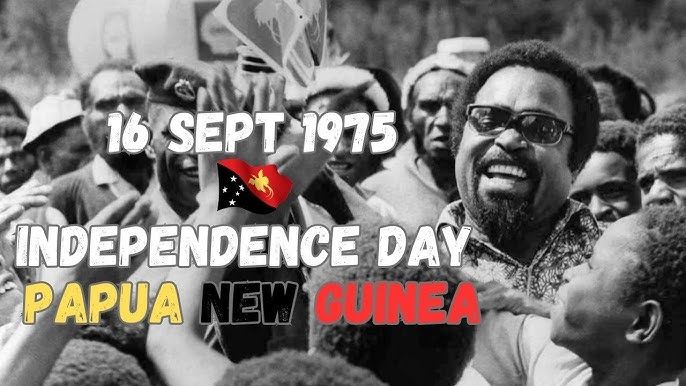
The independence of Papua New Guinea on September 16, 1975, marked a significant milestone in the nation’s history. This event was the culmination of decades of struggle for self-determination, influenced by various factors, including World War II, the rise of nationalism, and the changing political landscape of the region.
Pre-Independence Era:
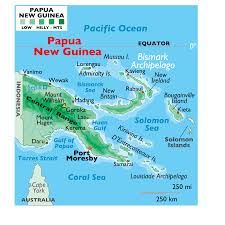
* Colonial Rule: Papua New Guinea had been under colonial rule since 1884, initially divided between Germany and Britain. After World War I, Australia assumed control over both territories.
* World War II: The war had a profound impact on the country, as it exposed the vulnerabilities of colonial rule and fostered a sense of unity among the diverse population.
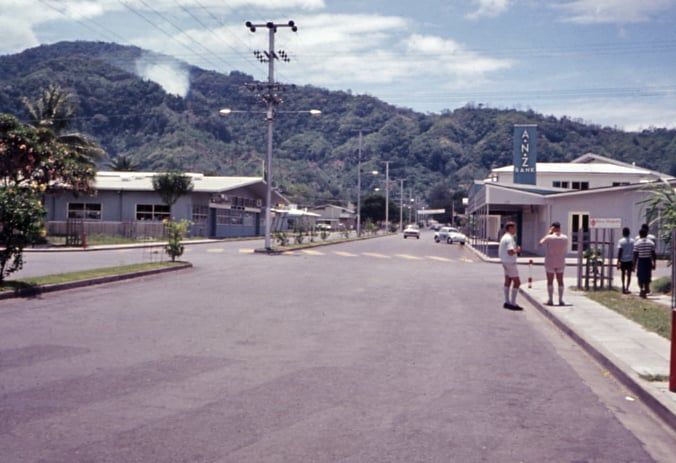
* Post-War Developments: Following the war, Australia implemented policies to modernize Papua New Guinea and prepare it for self-government. This included the establishment of educational institutions, development of infrastructure, and the gradual transfer of power to local leaders.
The Road to Independence:
* Self-Government: In 1973, Papua New Guinea achieved internal self-government, granting it control over most domestic affairs while maintaining external ties with Australia.
* Independence Referendum: A referendum was held in 1975 to determine whether the people of Papua New Guinea desired independence. The overwhelming majority voted in favor, paving the way for a formal declaration.
Independence Day:
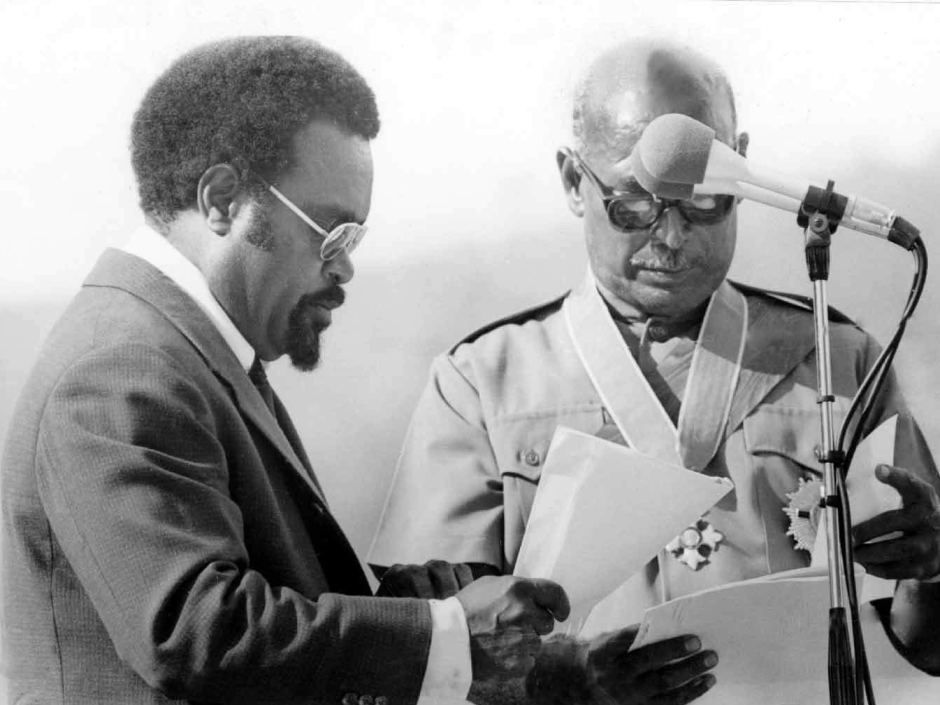
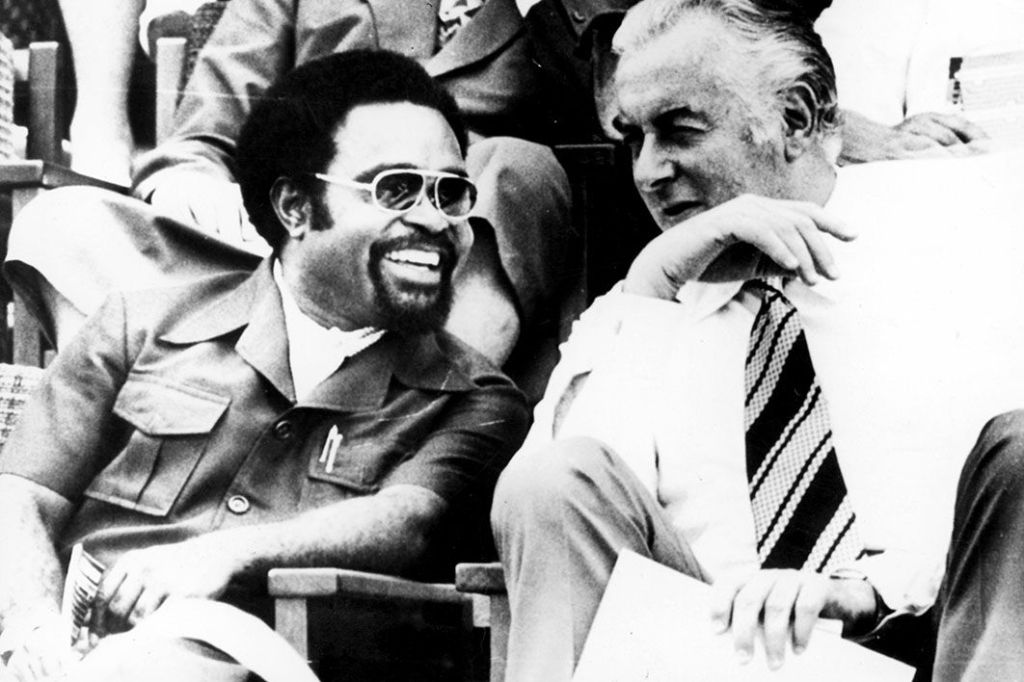
* Ceremony: On September 16, 1975, a grand ceremony was held in Port Moresby to mark the nation’s independence. The event was attended by dignitaries from around the world, including Australian Prime Minister Gough Whitlam.
* Raising of the Flag: The Papua New Guinea flag was raised for the first time, symbolizing the country’s sovereignty.
* National Anthem: The national anthem, “O Arise,” was sung, expressing the nation’s pride and hope for the future.
* Speeches: Leaders from Papua New Guinea and Australia delivered speeches, emphasizing the significance of the occasion and the challenges ahead.
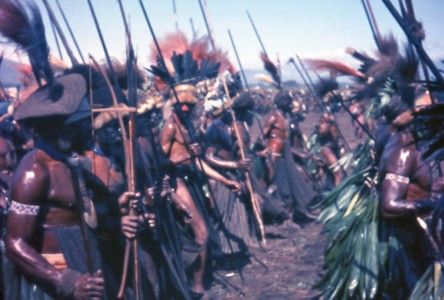
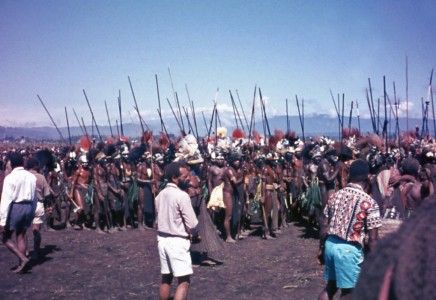
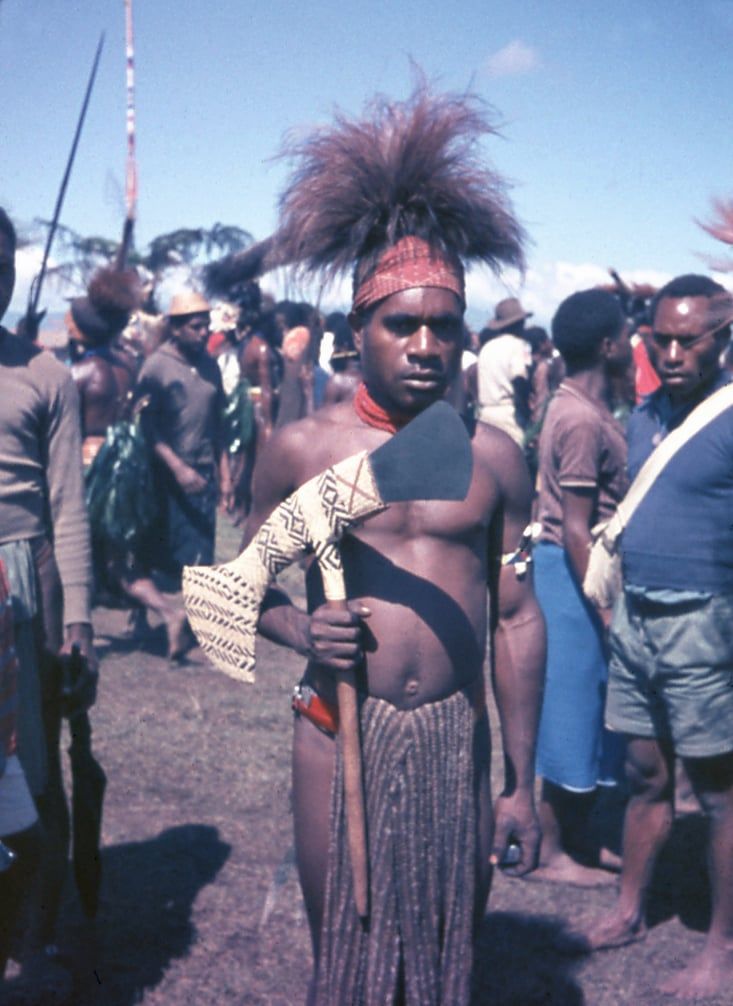
* Celebrations: The day was marked by festivities throughout the country, including parades, cultural performances, and community gatherings.
Significance of Independence:
* Self-Determination: Independence granted Papua New Guinea the right to govern itself, free from foreign control.
* National Identity: The event fostered a sense of national unity and pride among the diverse population.
* Economic Development: Independence provided an opportunity for Papua New Guinea to pursue its own economic development path.
* International Relations: The nation joined the international community as an independent sovereign state, establishing diplomatic relations with other countries.
The independence of Papua New Guinea on September 16, 1975, was a momentous occasion that marked the beginning of a new era for the nation. It was a culmination of decades of struggle and a testament to the resilience and determination of the people of Papua New Guinea.





By Sakias Moro
 Mars Media